
posted 4/7/2026
In This Room, Every Song Means Something
Music Therapy In Action

“She brought it today.”
“Awww yeah, she’s gonna play.”
As they wander in, some grumpy that their break has ended, each person seems to hone in on the same detail: the therapist at the front of the room is holding a guitar.
Hannah Bohn, a Licensed Professional and Board-Certified Music Therapist, works at The Music Settlement in Cleveland’s University Circle. For the past two years, she led music therapy sessions at Stella Maris.
She picks up her guitar, open to requests. Suggestions come in from wildly different genres—Black Sabbath to Will Smith—but for this session, she settles on her own choice: Bill Withers’ “Lovely Day,” calling it a feel-good, sunny-day song.
Despite the wide range of ages and musical tastes in the room, silence falls, almost reverently, as she sings. Some clients bow their heads, eyes closed. When she finishes, applause breaks out.
And that's just the beginning.

SUNNY DAY SONGS
Hannah has another lesson planned, but inspired by an early spring day—70+ degrees and full sunshine, she pivots.
“What’s everyone’s favorite nice-weather activity?” she asks.
The answers vary as much as the people in the room: boating, hiking, trampolines, walking, hunting, swimming.
“How does a sunny-day song make you feel?”
On that, they all agree: “Happy. Relaxed. Excited. Joyful.”
The first pick is Will Smith’s 1991 classic “Summertime.” Heads start bobbing. Most people mouth the lyrics or sing along; some dance in their seats. It becomes a shared moment. When the song ends, someone amends the earlier list to include barbecues.
Before the conversation drifts too far, Hannah asks for another selection. Seals & Crofts’ “Summer Breeze” brings a softer, more reflective mood.
As it plays, a client wanders in late. Realizing he’s too late to receive credit for the session, he turns to leave. But within moments, he changes his mind, dancing his way to a chair.
“Well, y’all got music. I might as well stay.”
A younger client suggests the first country song of the session: “Dirt” by Florida Georgia Line. Few in the room would have chosen country, and even fewer are familiar with the group—yet no one jokes, not even gentle ribbing among friends.
According to PHP therapist Johnna Marotta, that’s intentional.
“We implement the understanding in all clients that respect and kindness are required in the group,” she says. “This rule is something taken to heart in all groups, but especially music therapy.”
No one wants to jeopardize their place here.
When the song ends, Hannah notes that it doesn’t explicitly reference sunshine or happiness like the earlier selections. She asks what makes it a “sunny-day” song for him.
The client shares a memory of growing up in the South, surrounded by family he hasn’t seen in decades. The room shifts, becoming a little more serious for just a moment. Then he grins and says "When I see them again, it'll be different. I'll be different."
“Although it’s not uncommon for a wide variety of music to be played in therapy, many people suggest songs that remind them of their youth,” Johnna explains.
That pattern continues.
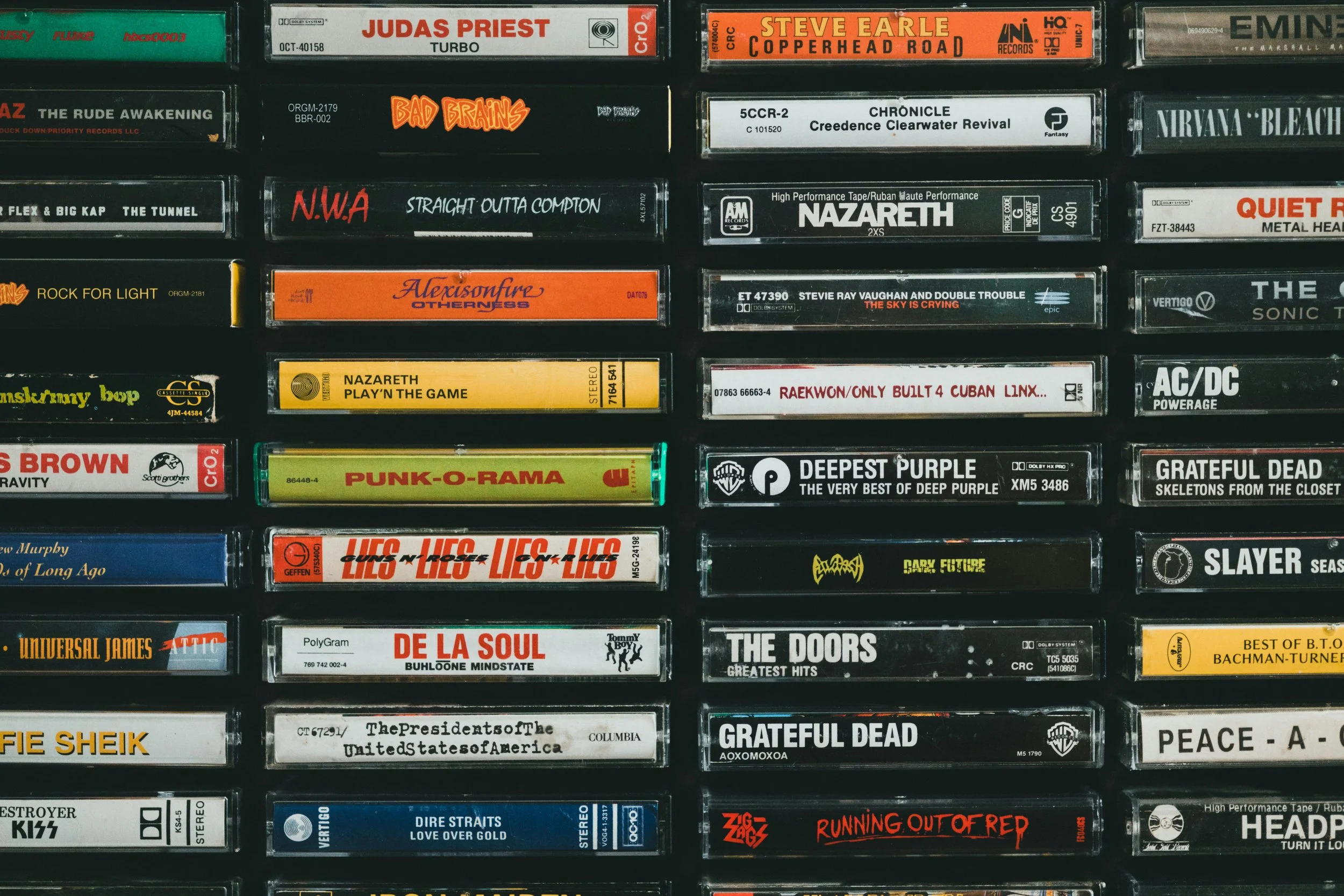
THE DECADES THAT DEFINE THEM
A client who has already chosen a song calls out another, but Hannah reminds the group that everyone deserves a turn.
Across the room, a woman raises her hand and, in a small moment of solidarity, says, “I choose whatever he said.”
The song: Guns N’ Roses’ “Paradise City,” off Appetite for Destruction. The late-’80s hit sparks a quick debate about the merits of outdoor concerts at Blossom Music Center (a venue GNR hasn’t played since 2018.) The consensus: great venue—if you can tolerate parking delays and mudslides on rainy days.
Culture Club’s “Karma Chameleon” gets nearly everyone singing.
Two Beastie Boys tracks are suggested. The latecomer surprisingly knows every word to “Paul Revere.” Before “Brass Monkey” plays, the group accepts it will be an earworm for everyone for at least a week.
A client who has somehow slept through most of the lively session wakes just in time for his turn: “Summer Romance” by The Rolling Stones. Always The Rolling Stones.
INSTRUMENTALS
The final selection is different—an instrumental.
Hannah uses it as another entry point for discussion. After George Benson’s “Breezin’” plays, she asks how the group feels about music that’s instrumental only, vs lyrics.
The client who chose it has been quiet most of the session, but he breaks into a genuine smile when others say it reminds them of elevator music.
As they filter out of the room, they discuss the session.
“I was having a really bad day before I came in here,” one client says. “Now it’s not so bad at all.”
Another adds, almost to himself, “Can’t lie. I never leave music therapy in a bad mood.”
THE LASTING IMPACT
Music Therapy is an evidence-based practice to improve physical, emotional, and social well-being, reducing anxiety, managing stress, lowering symptoms of depression, and regulating mood.
Hannah explains, “It lets us try new things and get out of our comfort zones. And it evokes very specific memories and time periods in our lives.”
Those memories can sometimes be complex.
“I’ve noticed clients who experience moments of grief or sadness due to memories brought up by certain songs,” Johnna says.
But overall, the impact is overwhelmingly positive.
“I’ve seen drastic improvements in their mood after music therapy. It gives them time to enjoy themselves—and almost everyone who participates expresses a sense of joy that’s infectious to the rest of campus.”
###
Some other sunny day songs….
“Happy” - Pharrell Williams
“Happy” - Sister Hazel
“Walkin’ on Sunshine” - Katrina and the Waves
“Life Less Ordinary” - Carbon Leaf
“Good Vibrations” - The Beach Boys
“Uptown Funk” - Mark Ronson, featuring Bruno Mars
“Don’t Stop Believin’ - Journey