posted 3/30/2026
Visits to Stables Set Stella Apart
Equine Therapy For Substance Use Clients
Growing up, there are two kinds of kids: those who love horses, and those who don’t think much about them. It’s easy to assume you’re in the latter category—especially if you’ve never spent time around one. But their soulful eyes, powerful build, and calming presence have a way of changing that in a single encounter.
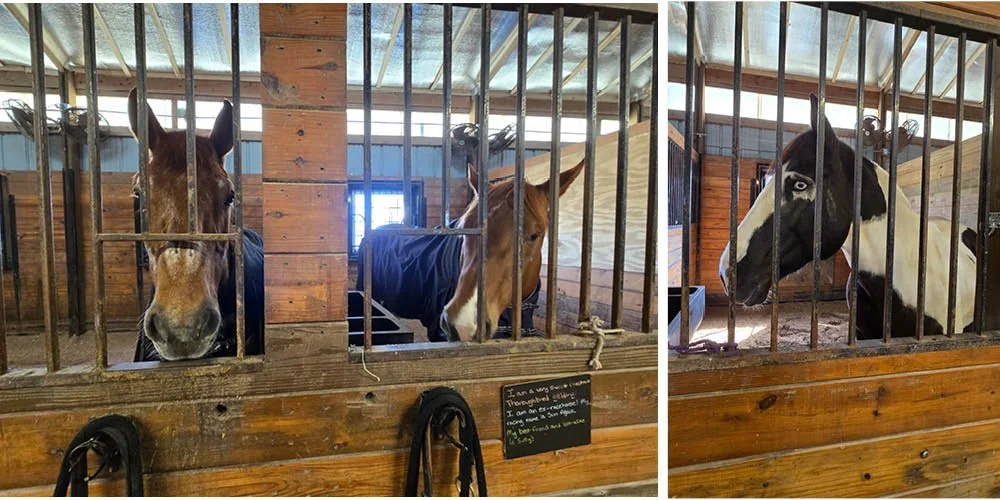
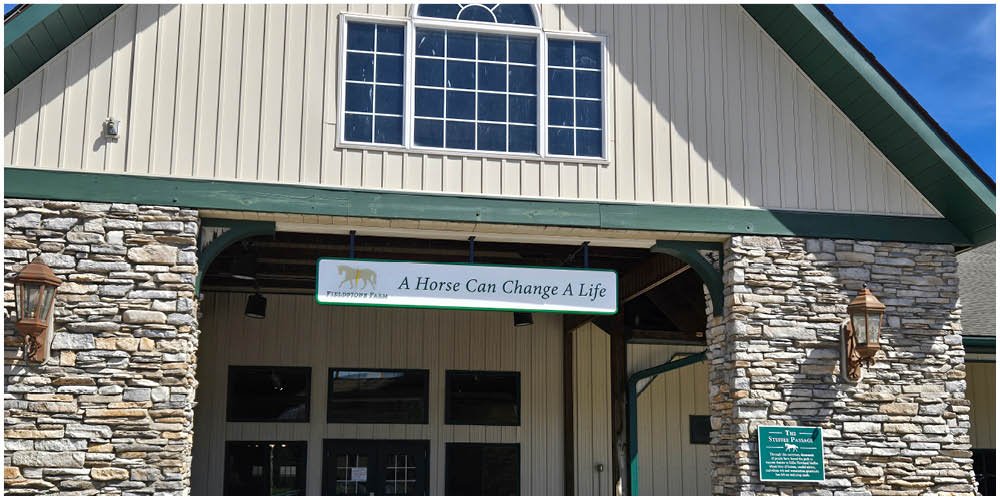
That’s exactly what happens for many Stella Maris clients who visit Fieldstone Farm in Chagrin Falls.
Fieldstone—one of the largest therapeutic equine centers in the country—welcomes more than 1,000 students of all ages and abilities each year. More than half of those students are navigating mental health challenges, including anxiety, depression, OCD, PTSD, grief, and trauma.
Since 2021, Stella Maris has partnered with Fieldstone to bring equine therapy into its treatment model. Outside of high-end, affluent rehab settings, this type of therapy is exceedingly rare in substance use treatment.
“Equine therapy is often seen as a luxury,” said Clinical Director Allison Pagrabs. “Stella sees it as a necessity.” That mindset sets Stella apart.
Each week, a group from Stella’s residential (inpatient) program boards a van and heads to the Farm.
“In early recovery, when trust is low and defenses are high, healing doesn’t always happen through words—it happens through experience, connection, and learning to regulate in real time,” Allison said. “That’s why we brought it into our residential program. Because everyone deserves access to care that actually meets them where they are.”
At first, not every client is eager to go. In early recovery, many don’t yet know what they need. But after four weeks of visits, something shifts.
“There are guys who make a big deal about not wanting to go—claiming zero interest,” said Assistant Clinical Director Shinelle Wingfield. “And you know what? They’re the ones who change the most.”
Each Horse Has a Story
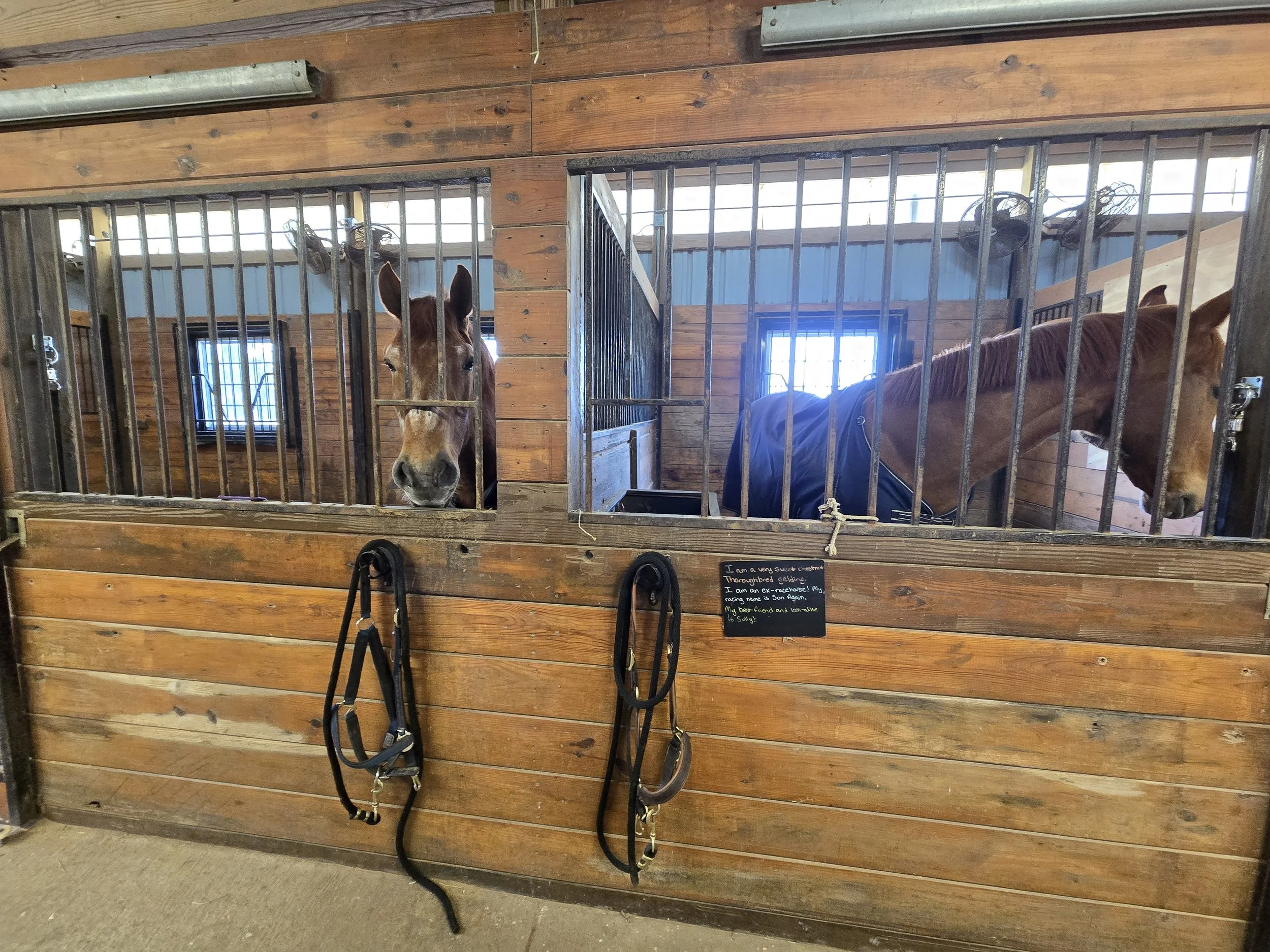
Roughly 30 horses call Fieldstone Farm home. Some were show jumpers, driving horses, or dressage mounts; others were trail horses. One was even a racehorse. Many are donated when they can no longer perform or when their owners can no longer care for them. Some were rescued from slaughter.
Much like Stella Maris offers a second chance to its clients, Fieldstone offers one to these animals. And just like the people they serve, each horse has a distinct personality and story.
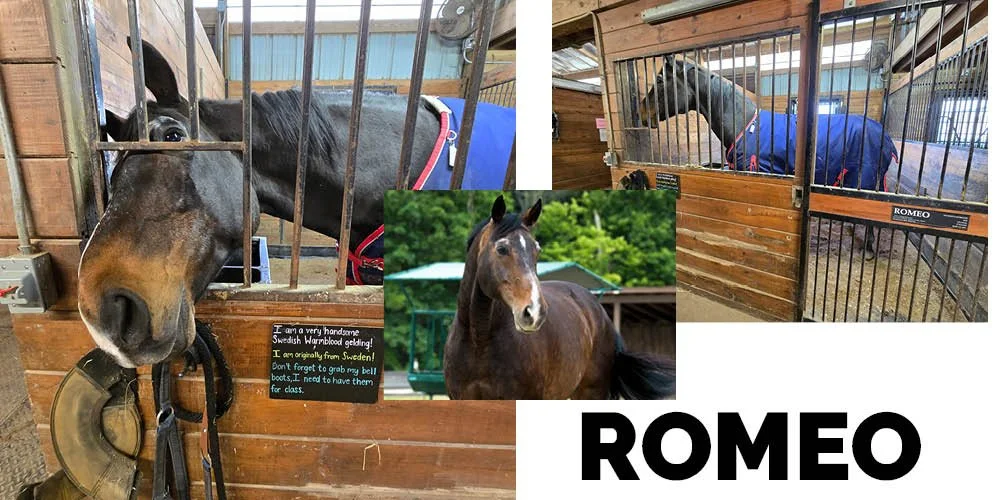
Romeo, the tallest horse on the farm at 17 hands, has a stride as long as his legs. Originally from Sweden, he came to the U.S. at just three years old. Now 22, the gelding lives up to his name—often fussing in his stall when he can’t see his companions, Dora and Frenchie. Dora nearly matches his size, while Frenchie is a smaller pony cross.
Rose, an Amish workhorse, arrived at Fieldstone with an unexpected surprise—she was pregnant. Her foal, Summer, is now four years old and training to become a therapy horse just like her mother. The two live in stalls directly across from one another.
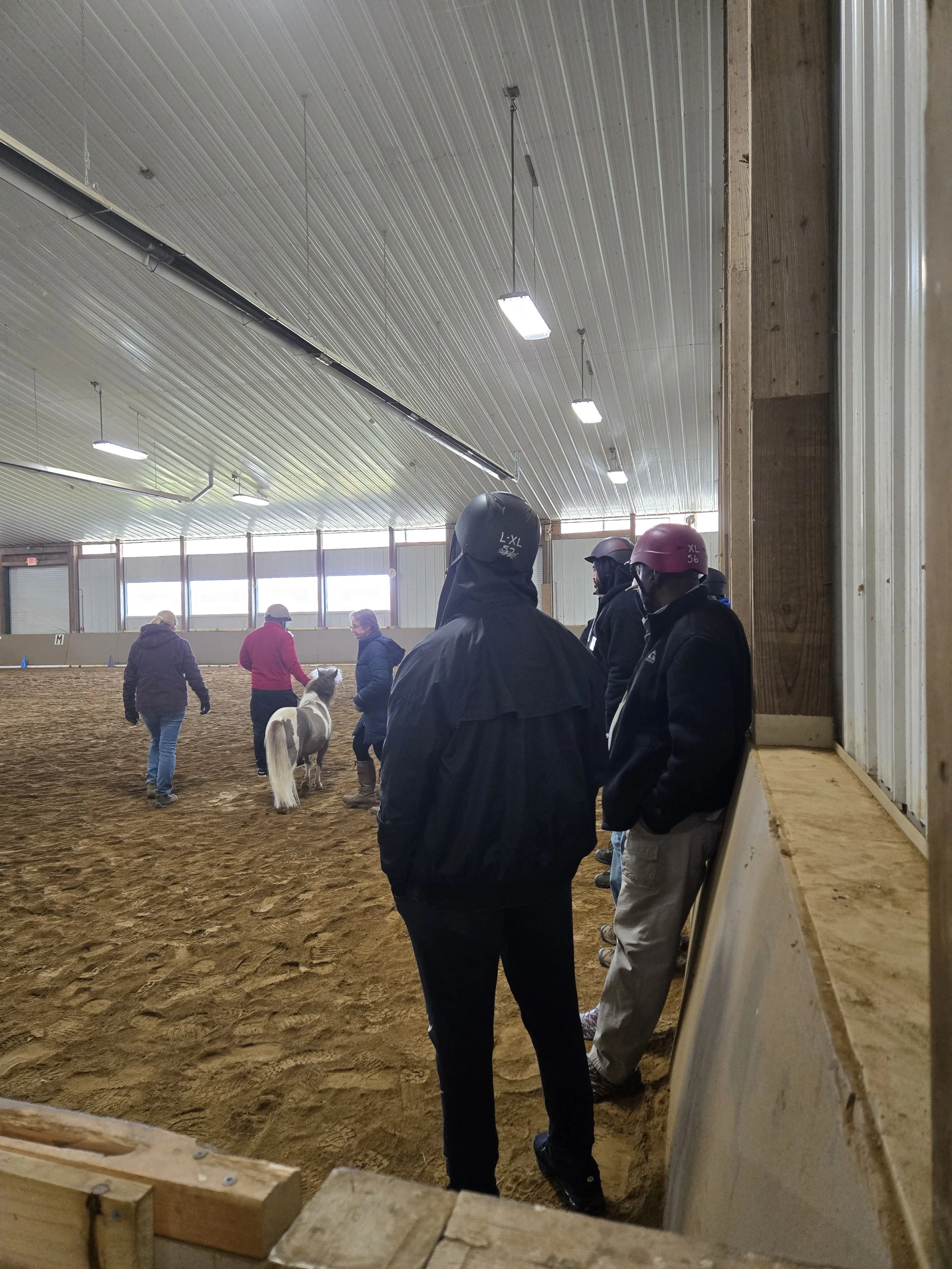
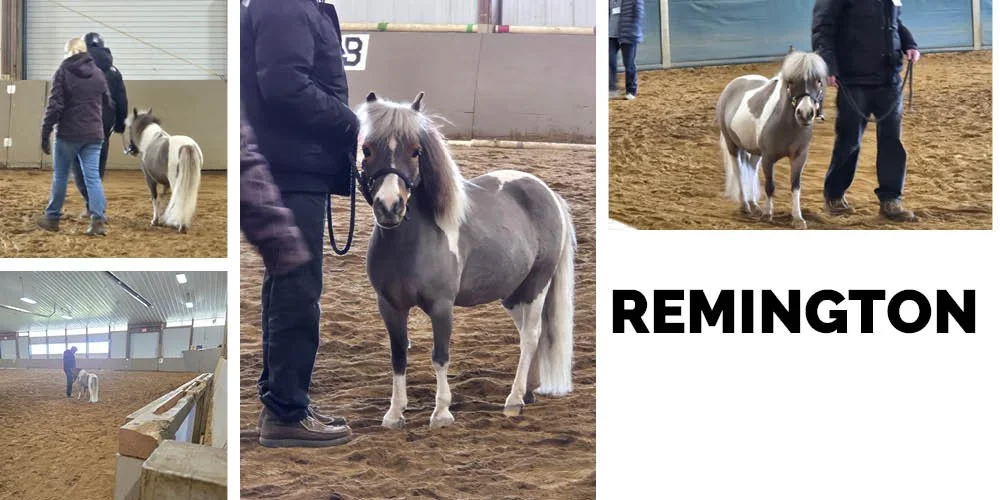
Then there are Maverick and Remington—miniature horses standing just 29 and 31 inches tall. (Not ponies, mini horses are even smaller, as staff point out.) They joined the herd in 2023 and just might remind you of puppies — playful, spunky, sometimes stubborn, and always charming.
Building Trust Without Words
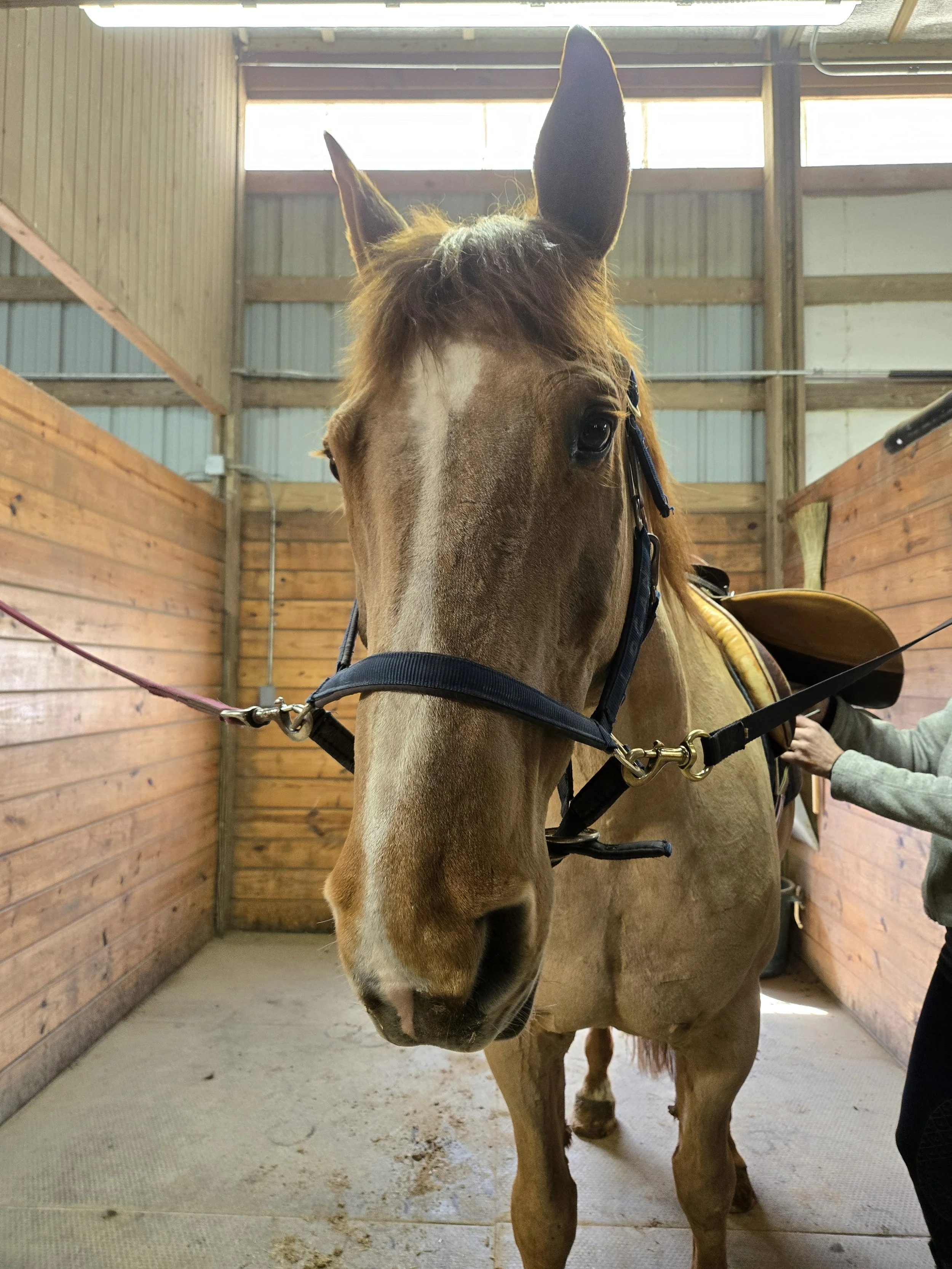
Approaching Dillon, a 20-year-old draft horse standing 16.3 hands tall, can be intimidating. But as his bio suggests, he’s more “teddy bear” than beast—patiently soaking up the attention while one or two clients brush him at a time.
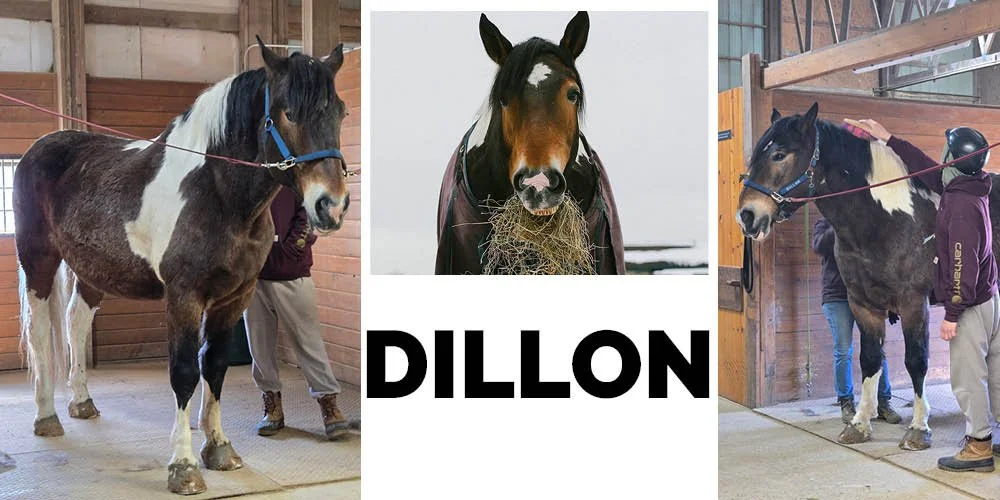
At Fieldstone, Stella clients don’t ride the horses or sit in saddles. But these visits are about far more than grooming or walking in circles.
“It’s about building a connection bigger than yourself,” Shinelle explained. “You can tell those horses anything. They won’t interrupt. They won’t share your secrets. They’re just there to listen. And that connection deepens as you care for them.”
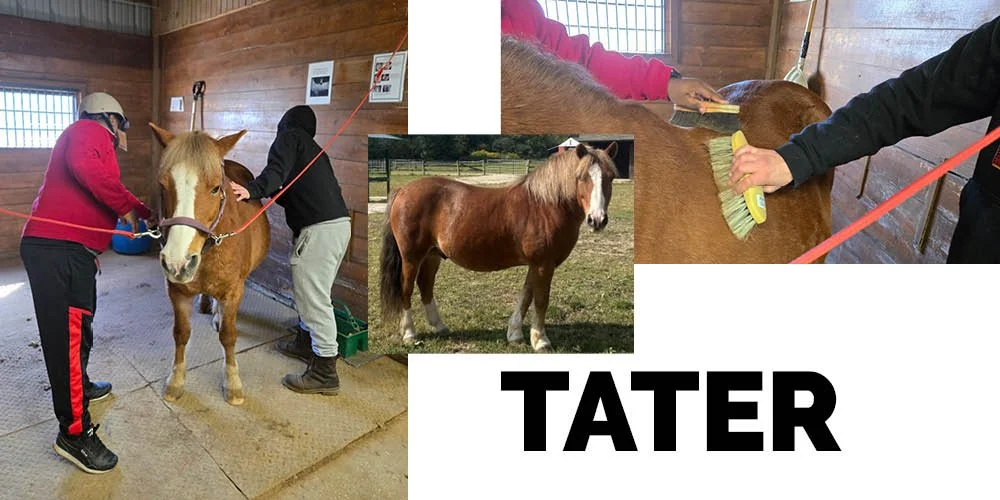
Equine therapy supports personal growth, emotional healing, and the development of practical life skills. Clients build confidence, strengthen communication, and begin to trust—both themselves and others.
“It’s like any therapy,” Shinelle said. “You get out what you put in.”
After grooming, clients often lead a horse—or a mini—around the arena.
“There’s something incredibly empowering about leading a horse for the first time,” a volunteer shared. “You wouldn’t expect it to have such an impact, but you can see it. Your clients stand a little taller after they do it.”
Finding Calm Through Connection
On their final visit to the farm, clients participate in a quiet, powerful exercise. Standing beside the horse, they gently rest their head against its body. From there, they’re guided to slow their breathing and begin syncing it with the horse’s natural rhythm.
The result is grounding, calming, and deeply regulating.
This moment of co-regulation—entirely nonverbal—helps clients experience connection in a new way. It builds awareness of how their internal state affects others and shows them what it feels like to be calm, present, and in sync.
A Rare Opportunity, A Lasting Impact
In most substance use treatment settings, experiences like this simply don’t exist. Equine therapy is often considered an extra—something reserved for those who can afford it.
At Stella Maris, it’s part of the core.
Thanks to Fieldstone’s ridership grant, Stella is expanding what recovery can look like—offering clients not just treatment, but meaningful, transformative experiences that stay with them long after they leave the program.
Because sometimes, healing doesn’t start with words.
Sometimes, it starts with a horse.
(Or a pony. Or a mini horse.)
###